SERVICE WE OFFER
At Injury Hub, we offer a comprehensive range of therapies tailored to treat a variety of conditions and injuries.
Take action today and join the thousands of patients we have empowered to conquer pain and injury that is holding them back in life.
OSTEOPATHY
At Injury Hub, osteopathy is just one part of a broader, more integrated approach to diagnosing and treating musculoskeletal pain. While our clinic is led by highly qualified osteopaths, including practitioners trained in strength & conditioning, radiology, musculoskeletal sonography, and guided injections, we believe that no single discipline holds all the answers.
DIAGNOSTIC ULTRASOUND IMAGING
Diagnostic Musculoskeletal ultrasound is an imaging technique that uses high-frequency sound waves to produce images of the musculoskeletal system, including muscles, tendons, ligaments, joints, and soft tissues.
PHYSIOTHERAPY
Physiotherapists are licensed healthcare professionals who assess, diagnose, and create individualised treatment plans based on the patient’s condition, medical history, and goals.
Massage Therapy
Massage is one of the most effective ways to ease muscle tension, improve circulation and help the body recover from stress or injury.
Shockwave Therapy
Shockwave therapy is a non-invasive treatment method that uses acoustic waves to treat various musculoskeletal conditions and promote healing.
TECAR Therapy
TECAR Therapy (Transfer of Energy Capacitive and Resistive) is one of the most innovative and advanced forms of diathermy currently used in musculoskeletal rehabilitation.
Medical Acupuncture
At The Injury Hub, we specialise in medical acupuncture, a modern, evidence-based approach that differs from traditional Chinese acupuncture.
Strength & Conditioning
Strength and Conditioning (S&C) is the structured use of exercise to restore strength, improve resilience, and reduce pain. It is not only for athletes but also for anyone recovering from injury or looking to regain confidence in movement.
Cortico-Steroid Injections
Steroid injections are used for anti-inflammatory treatments. The injections are often administered under ultrasound guidance to ensure precise placement.
Hyaluronic Acid Injections
Hyaluronic acid (HA) is a naturally occurring substance found in the synovial fluid of healthy joints. It plays a key role in providing lubrication, shock absorption and smooth movement between the articulating surfaces of the joint.
Prolotherapy Injections
Prolotherapy consists of a series of dextrose injections. Prolotherapy is mainly performed on chronic and weakened tissue such tendons and ligaments where the natural healing or support mechanisms are inadequate.
MRI Review
At The Injury Hub, we are proud to offer same-day MRI scans and reviews, providing rapid access to advanced imaging when it is most needed.
Meet Our Team
At Injury Hub, you will find a team of dedicated and compassionate professionals who are genuinely committed to delivering outstanding support and expert advice throughout your recovery journey, making sure you feel both empowered and well-informed at every stage.At the Injury Hub clinic, we've built a multidisciplinary team of highly experienced and credentialed practitioners to address a wide range of health concerns, no matter how complex. Our collaborative culture ensures you receive the highest level of care possible.
Click below to meet our team and learn more about each practitioner.
Darren Chandler
Neil Withington
Adele DuCasse
Urvi Gami
Dr Sajid Butt
Terry Beach
Kerry Reilly
Where we can help
Elbow Pain
Hip Pain
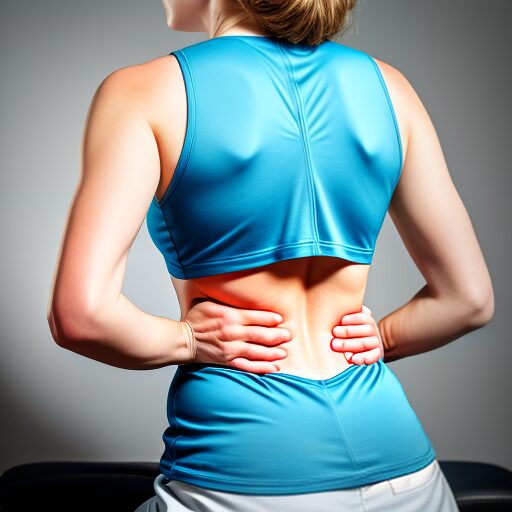
Lower Back Pain
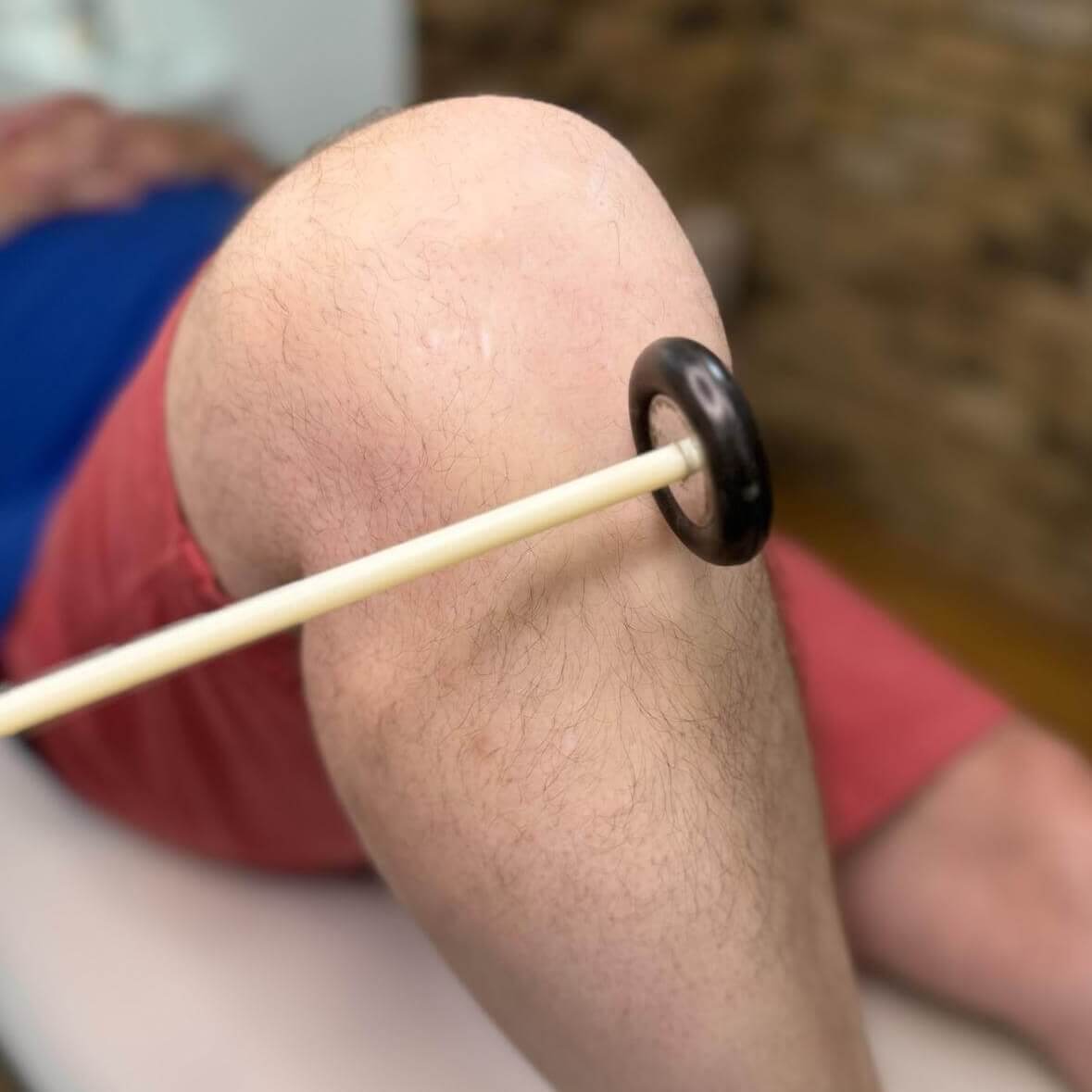
KNEE PAIN
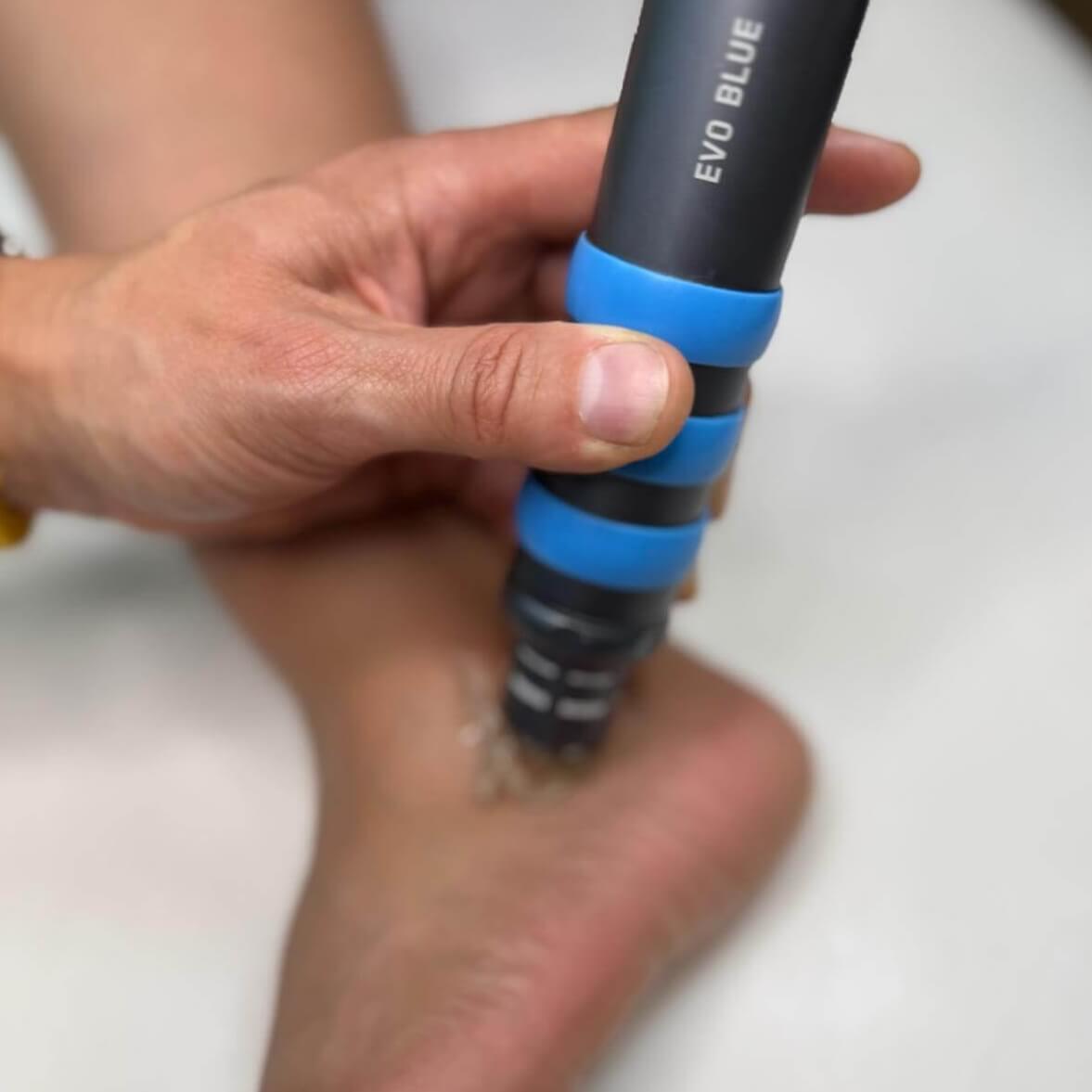
ANKLE PAIN
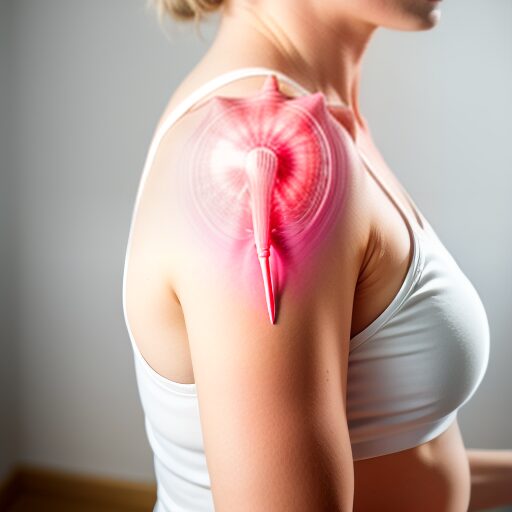
Shoulder PAIN
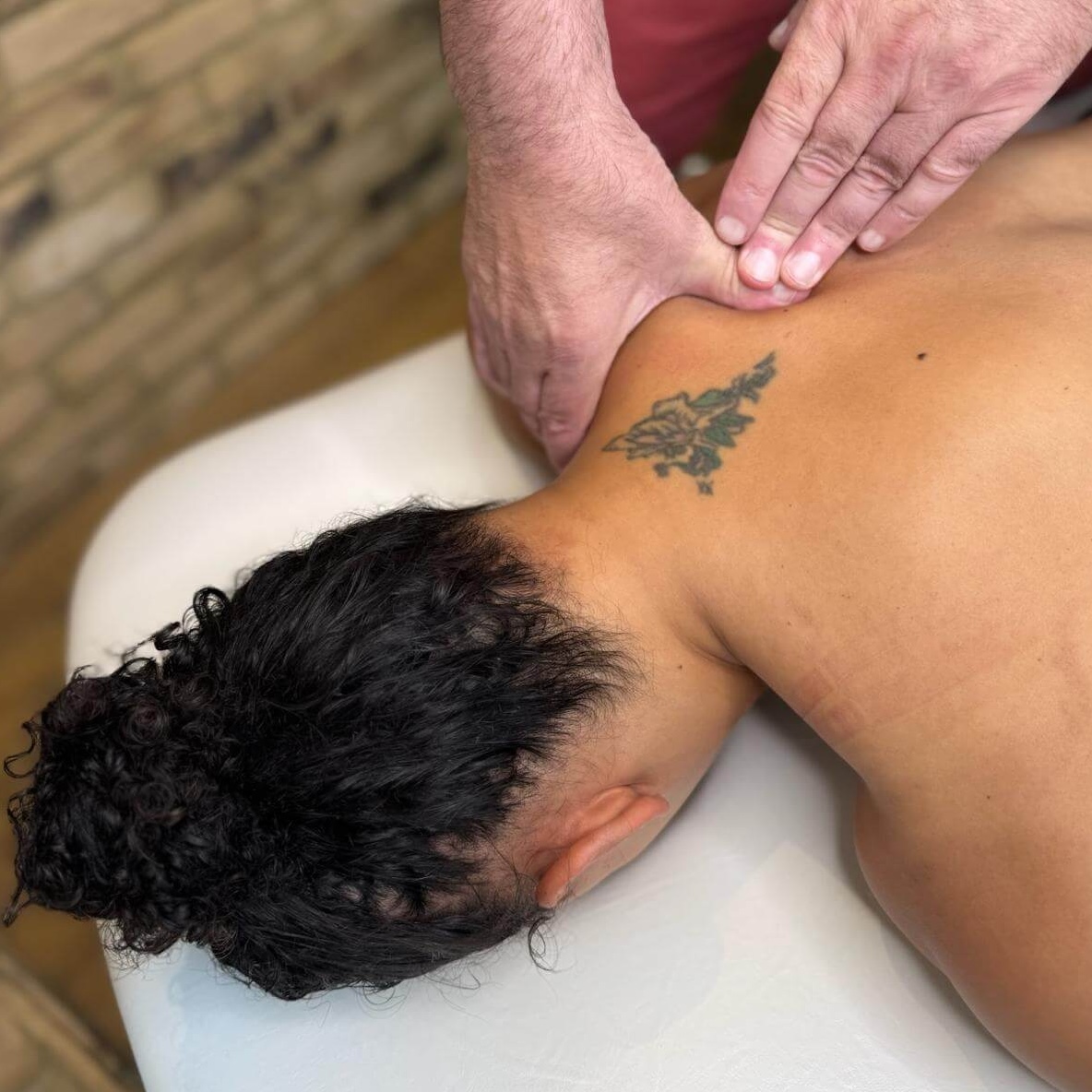
Adding to this is our network of London’s most eminent interventional radiologists and surgical specialists. This approach to your treatment means you get back to sport, work, and your favourite activities quicker.
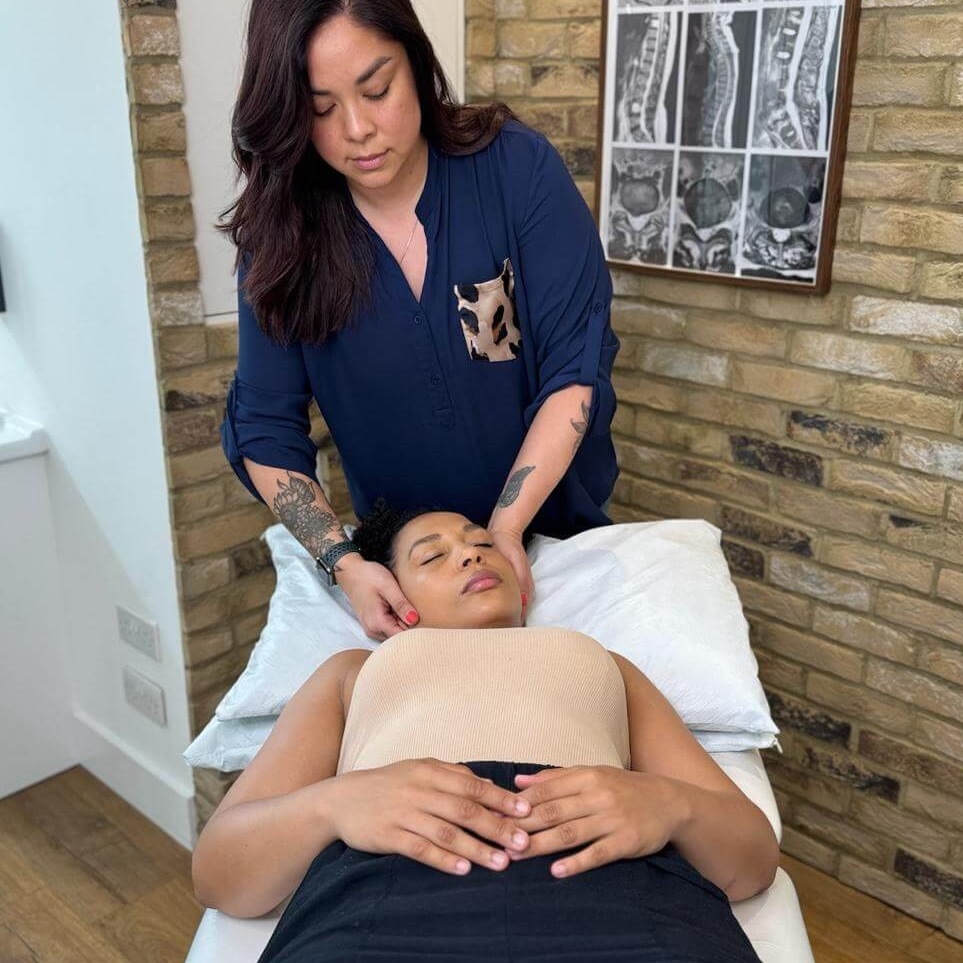
At the Injury Hub we are passionate about offering fast, effective results and work in a multi-disciplinary clinic where we can refer across disciplines and work together to bring you the best options and outcomes for your needs.
Our team of experts offer the highest level of care delivering hands on manual therapy, exercise rehabilitation and diagnostic imaging for conditions that affect the bones, muscles, tendons, ligaments, and acute to chronic spinal disorders.
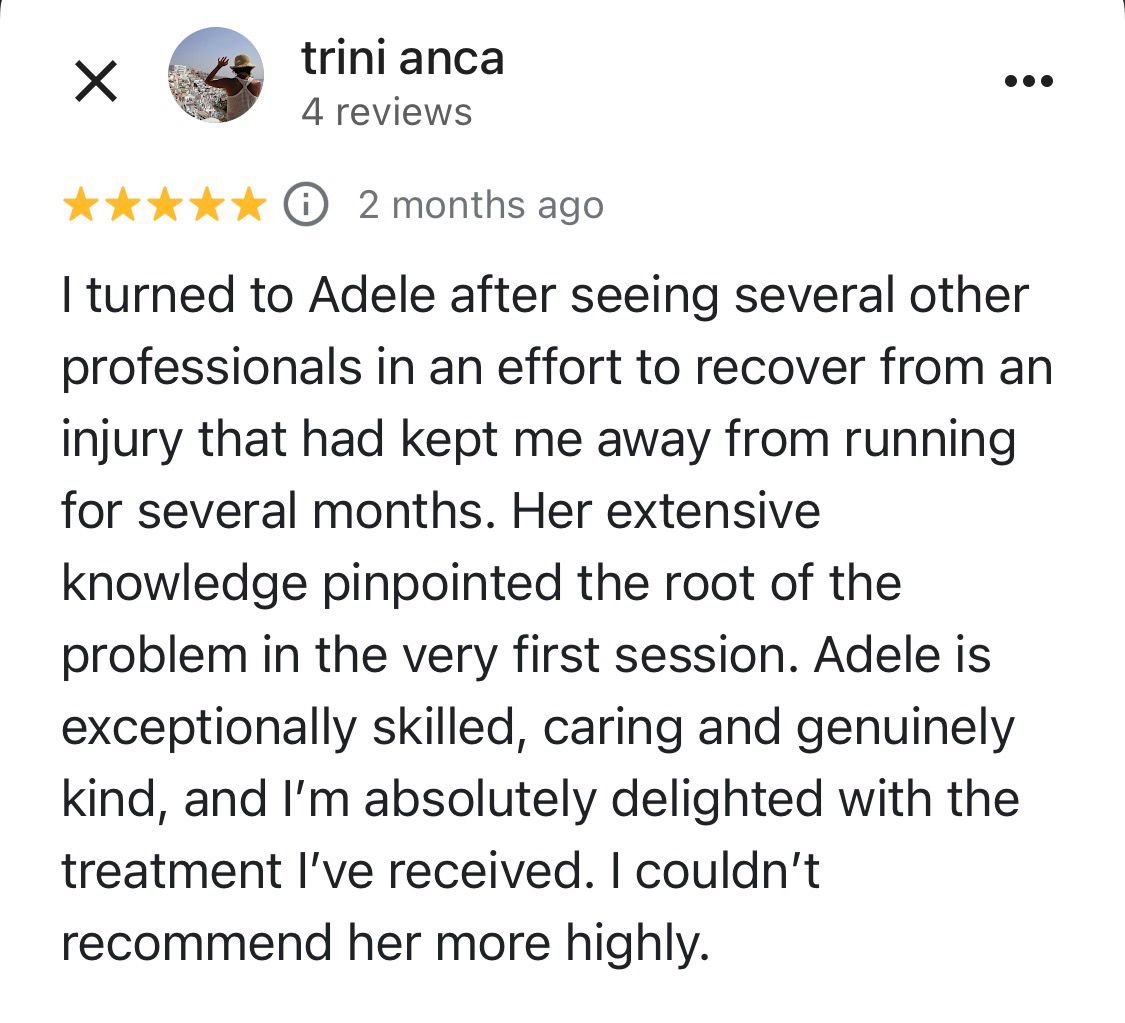
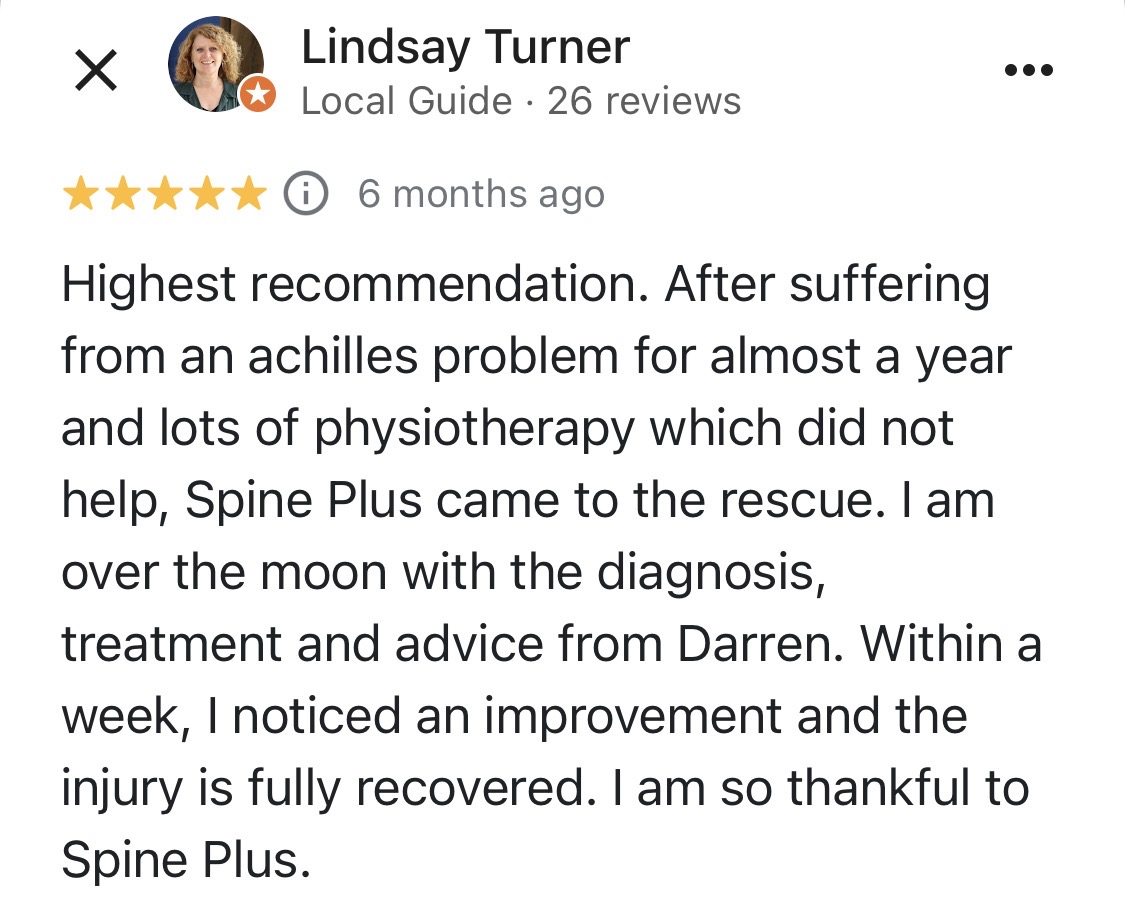
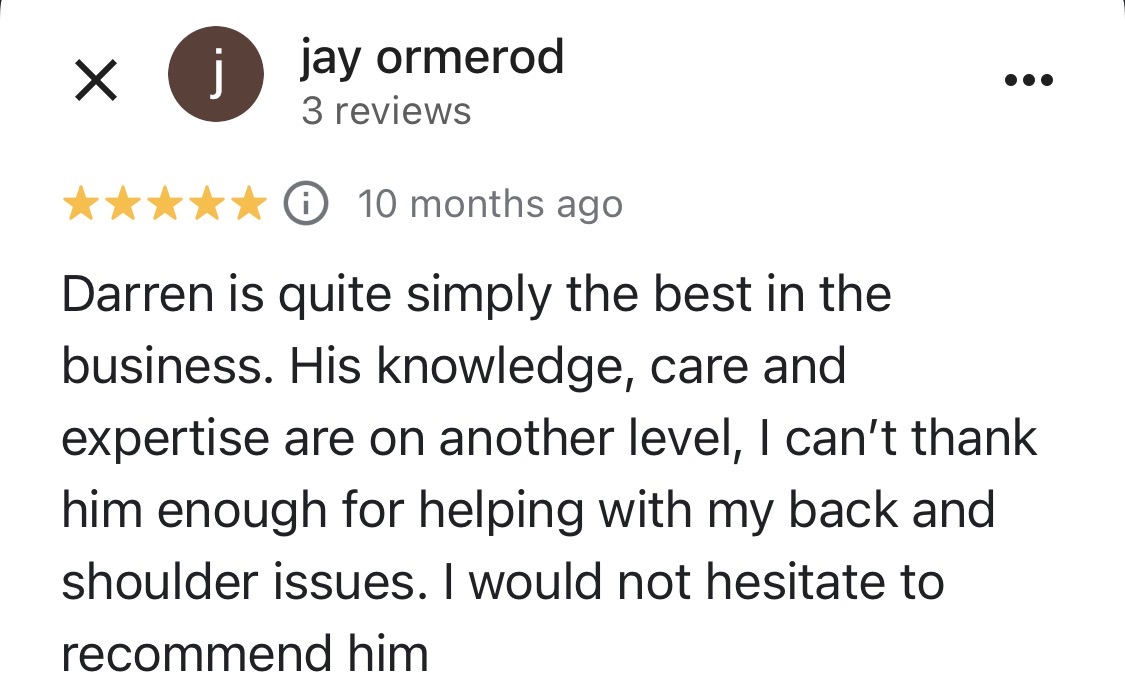
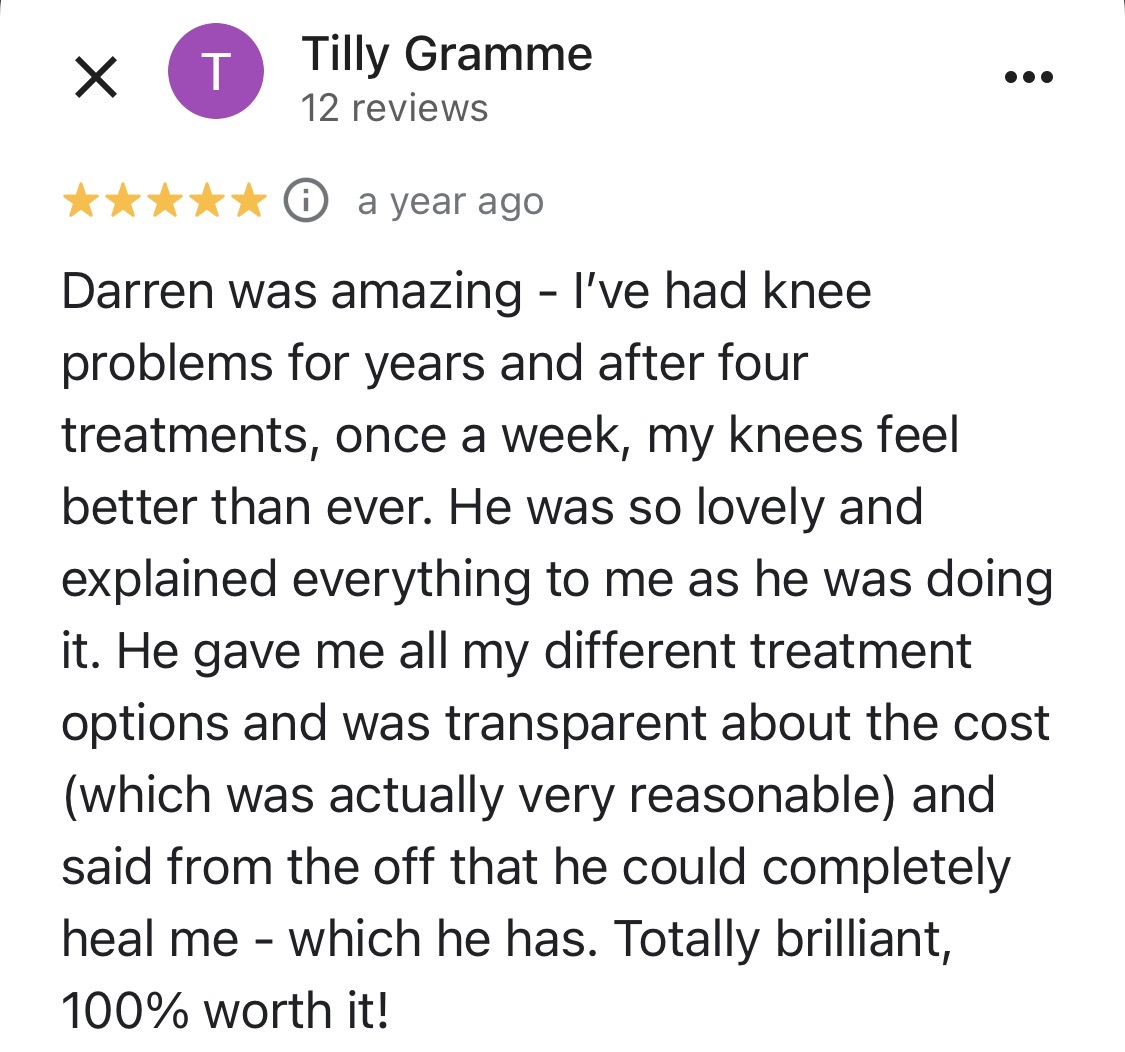
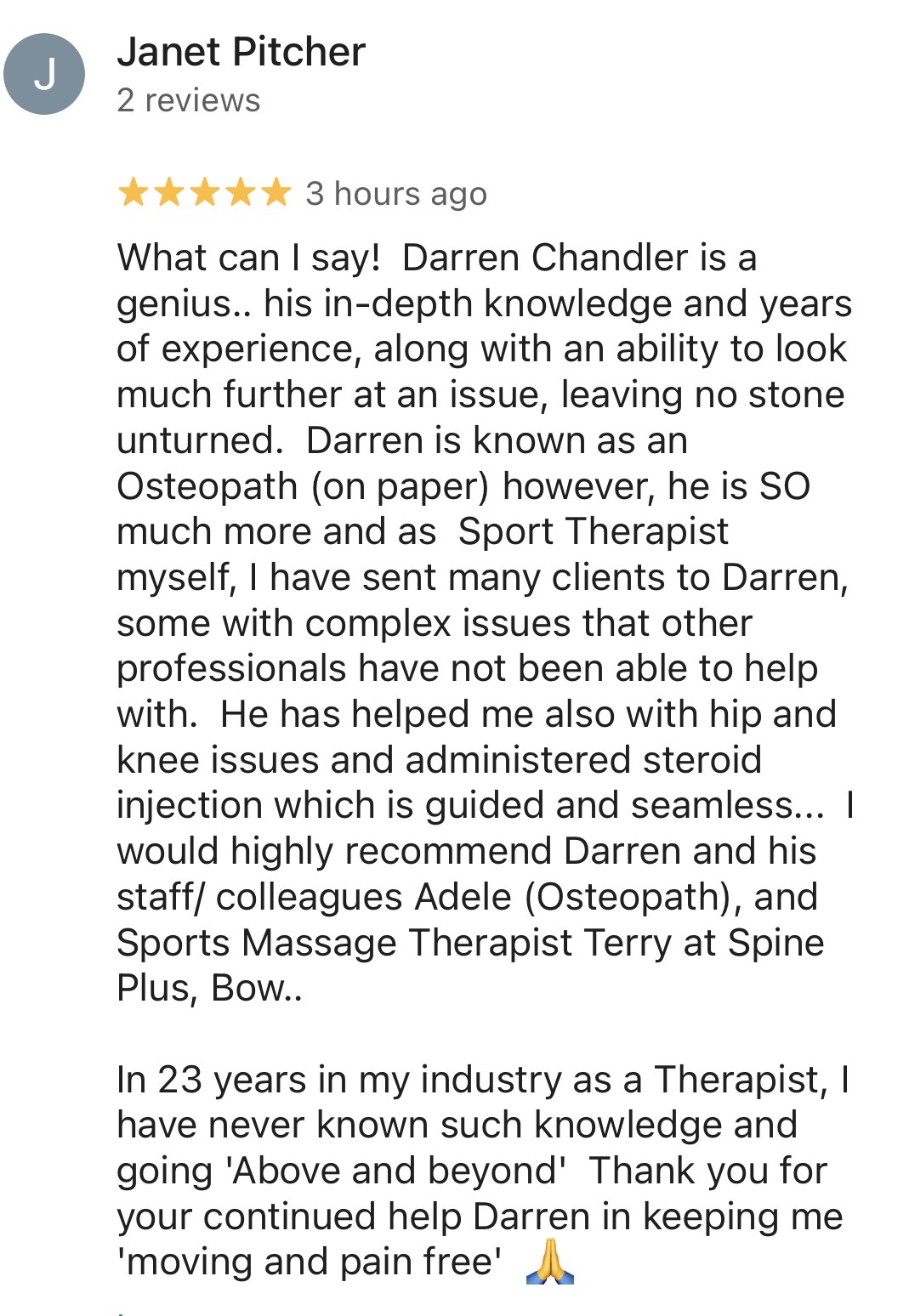
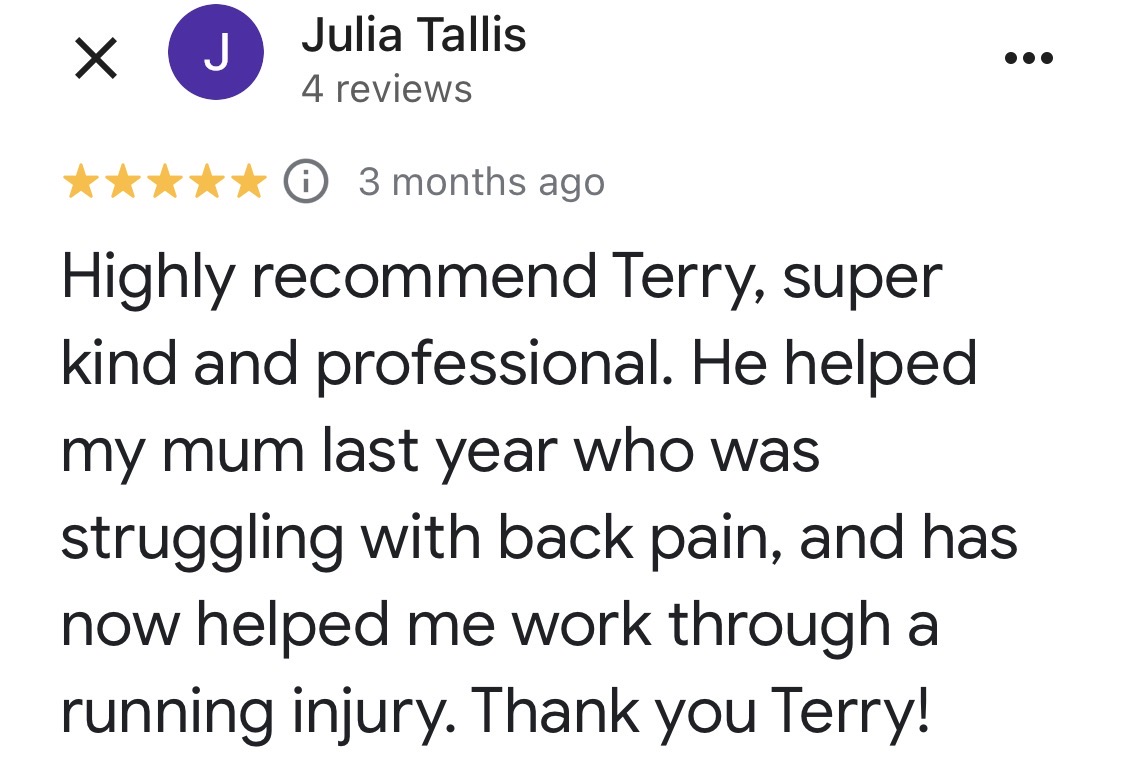
Patient Testimonials
FAQ's
Can a spinal disc when herniated go back in?
As a surgeon once said can toothpaste go back in the tube? This question refers to the nucleus (central jelly) leaking through the casing. It’s all down to the consistency of the jelly. If a patient is young and the outer ring heals then hydration of a disc can take place via the blood vessels supplying it. It’s important to know a spinal disc doesn’t leave the spine /vertebral bone it is attached to, it’s the central jelly that can migrate/diffuse through its casing and its important to note that this is also part of the normal aging process.
I’ve gotten smaller as I’ve aged.
As we get older the water in our spinal disc dehydrate, a condition known as spondylosis. If this occurs in several discs we are liable to lose a couple of centimeters / inches over time.
Should I ICE or HEAT my lower back?
Heat is very therapeutic and certainly feels nicer than ice. BUT if you have an acute spasm in your lower back and you’re finding it difficult to perform day to day tasks then ICE should be applied at regular intervals. Latest research suggest Ice should not be applied as its slows the healing process by stopping the body’s natural inflammatory process BUT, when you’re in agony and unable to function ICE will get you back on track quicker and a few days of icing won’t interrupted the healing process but will allow you to function. We’d recommend 10 minute intervals for 1 hour on and off. repeat this process 4-5 times a day. Lying on your back with your legs bent is the preferred position. A gel ice pack should be placed in the central lower back position.
Should I rest when suffering with back pain?
At the injury hub we recommend active rest. Meaning, every 20 minutes you should try walking for 5-10 minutes even if you are bent over and unable to fully straighten. Resting just prolongs the muscle spasm and chronicity of the problem.
What’s the best stretch for lower back pain?
This is a difficult question to answer or advise as there are multiple causes for back pain. For instance, you have a disc problem and someone on YouTube recommends a stretch that aids facet joint pain this could make the disc problem worse or vice versa. It’s always best to get diagnosed then a dedicated stretch and rehab program can be tailored to the individual.
Pilates or Yoga?
Both are good for core strengthening and mobilisation. Some yoga moves and some reformer Pilates moves can increase stress on the disc and spinal joints. If a patient is acute then we tend to advise Mat work / floor Pilates to work on building a foundation then slowly move on to reformer Pilates and yoga.